- 2026/06/19
- مقالات خارجی
- نظرات
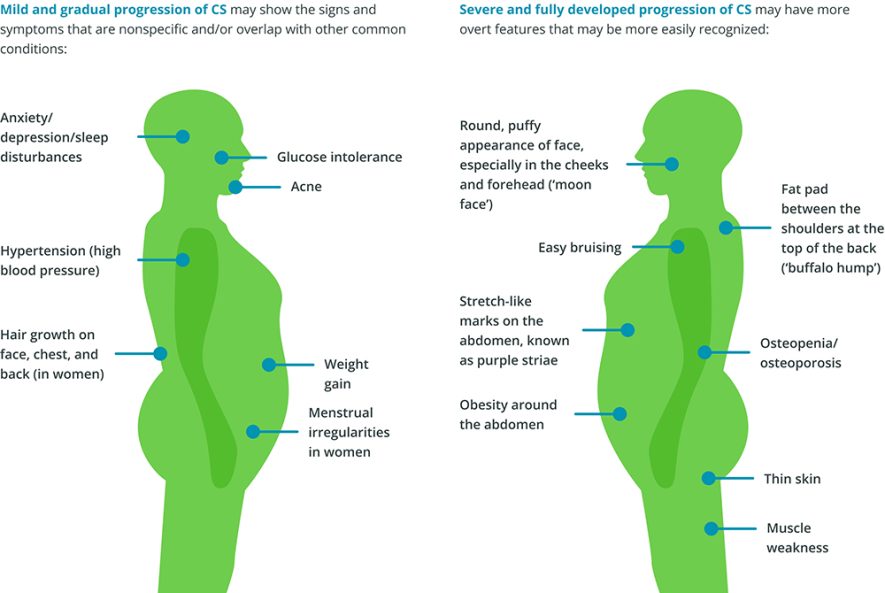
A 13-year-old female spayed Beagle was presented to its veterinarian for increased urination. On physical exam, the veterinarian noted a pot-bellied appearance and thinning hair coat. A minimum data base (CBC, Chemistry, and urinalysis) was performed in-house and revealed only a markedly increased ALKP activity, low lymphocyte count, and a low urine specific gravity (specific values were not provided). The veterinarian suspected Cushing’s disease and the next day the dog returned for a low dose dexamethasone suppression test. A “pre” blood sample was collected and then 0.01 mg/kg dexamethasone was administered IV. Samples were collected at 4 and 8 hours post administration of dexamethasone. All three samples were centrifuged and serum was removed and placed into a separate, non-additive tube. The three samples were sent to the Texas A&M Veterinary Medical Diagnostic Laboratory (TVMDL) for cortisol measurement using the low dose dexamethasone suppression test. The results are presented in the Table 1.
Result Flag Reference Interval Unit
Pre 8.46 H 1.0 – 6.0 µg/dL
4 Hours Post 7.13 H 0 – 1.4 µg/dL
8 Hours Post 6.82 H 0 – 1.4 µg/dL
After administration of low doses of dexamethasone, cortisol concentrations should decrease (suppress) for at least 8 hours. In general, the 8 hour result is used to characterize suppression as appropriate or inappropriate. In this case, the cortisol concentration did not stay decreased for 8 hours and suppression was considered inappropriate. In conjunction with the clinical signs and minimum database results, a diagnosis of Cushing’s disease was made.
The low dose dexamethasone suppression (LDDS) test is a fairly sensitive test. This means that false negatives are not common, though false negatives and especially false positives can still occur. While the LDDS test is a recommended screening test for most dogs suspected of having Cushing’s disease, it is important to rule out other diseases which can cause inappropriate suppression/false positives (i.e. diabetes, renal disease) with a minimum data base.