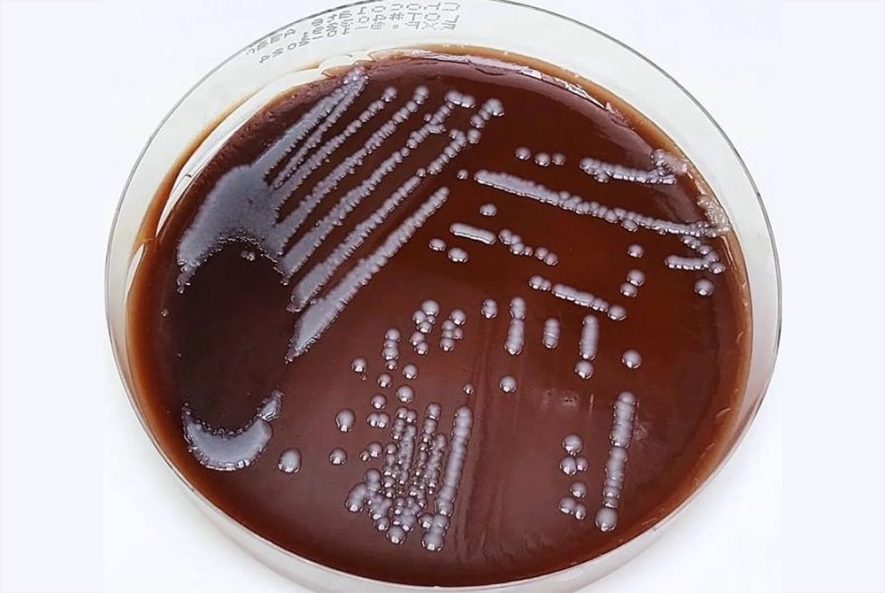
In clinical microbiology, we often encounter streaked culture plates where bacterial growth appears robust in later streaks but absent at the initial inoculation site.
When a patient has received antibiotics before sample collection, residual antimicrobial agents in the specimen can impact bacterial recovery. The highest antibiotic concentration is typically at the primary inoculation site (the well), preventing bacterial growth. As we streak further, the antibiotic effect dilutes, allowing bacteria to overcome the inhibition and start growing.
This phenomenon highlights the clinical impact of prior antibiotic use on culture results, emphasizing the importance of proper specimen collection and history-taking in microbiological diagnostics.