- 2026/05/06
- مقالات خارجی
- نظرات
Puppy and Dog Vaccinations: A Schedule for Every Life Stage
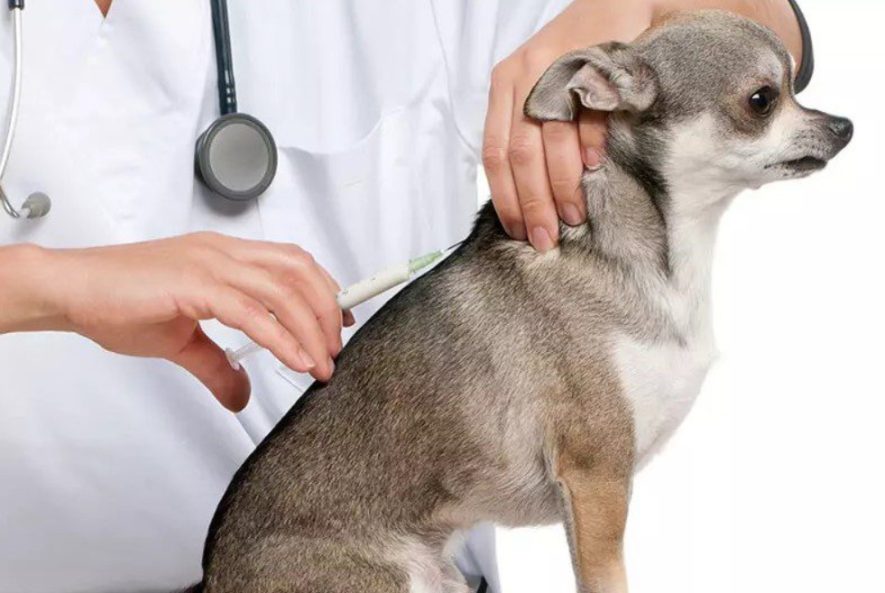
Dog vaccinations are critical to ensuring your four-legged friend stays healthy from puppyhood into their senior years. Vaccines are the safest and most cost-effective way to protect your dog from many infectious preventable diseases.
The science behind canine vaccinations has progressed significantly over the past decade, enhancing both their safety and efficacy against existing and emerging pathogens. Here’s why vaccinating a dog is important.
For PetMD’s complete guide on dog vaccinations and when your pet should get them, click here.
What Are the Common Dog Vaccinations?Dog vaccinations are split into two general categories: core vaccines and lifestyle vaccines.
Core VaccinesCore vaccines are required for all dogs and puppies. Core dog vaccines include:
Canine distemper/adenovirus-2 (hepatitis)/parvovirus/parainfluenza vaccine (given as one vaccine and commonly referred to as DA2PP, DHPP, or DAPP)
Rabies virus vaccine
Leptospira (Leptospirosis) vaccine (this can also be given in combination with the DA2PP/DAPP vaccine, as the DHLPP vaccine)
Lifestyle VaccinesLifestyle vaccines are considered optional and given based on factors such as your pet’s lifestyle and where you live. Several lifestyle vaccines protect against highly contagious or potentially life-threatening diseases.
To determine which lifestyle vaccines are appropriate for your dog, your vet will look at a variety of factors, including:
Geographic location and risk of disease in these areas
Whether your pet goes to doggy day care, dog parks, or boarding or grooming facilities
Your pet’s lifestyle, including traveling, going on hikes, or being exposed to the wilderness
The overall health of your pet
Lifestyle vaccines include:
Bordetella bronchiseptica (kennel cough) vaccine
Borrelia burgdorferi (Lyme) vaccine
H3N2/H3N8 (canine influenza) vaccines
Crotalux atrox (rattlesnake) vaccine
Puppy Vaccine ScheduleSo, when do puppies need shots?
For puppy vaccines to provide necessary protection, they’re given every two to four weeks until a puppy is at least 16 weeks old. Certain breeds and puppies in high-risk areas may benefit from receiving the last vaccines at around 18–20 weeks old.
Here’s an example of what a typical puppy shot schedule looks like:
Age Core Vaccines Lifestyle Vaccines6–8 weeks DAP* Bordetella
Parainfluenza (often included in DA2PP combo vaccine)10–12 weeks DHLPP Lyme
Canine influenza14–16 weeks DHLPP (vets prefer giving final DHLPP vaccine at 16 weeks or later)
Rabies vaccine (may be given earlier if required by law) Lyme
Canine influenza*DAP (Distemper, Adenovirus/Hepatitis, Parvovirus. Sometimes also referred to as DHP or DHPP if parainfluenza is included, or DHLPP when Leptospirosis is included.)
Ultimately, it’s important to consult with your veterinarian to identify the appropriate schedule for puppy vaccines for your specific pet.
If you want to socialize your puppy safely while waiting for their vaccine schedule to be completed, consider using a dog stroller or a dog backpack carrier to keep your puppy off the ground.
Reference:https://www.petmd.com/dog/care/dog-vaccinations-for-every-lifestage