- 2026/05/23
- مقالات خارجی
- نظرات
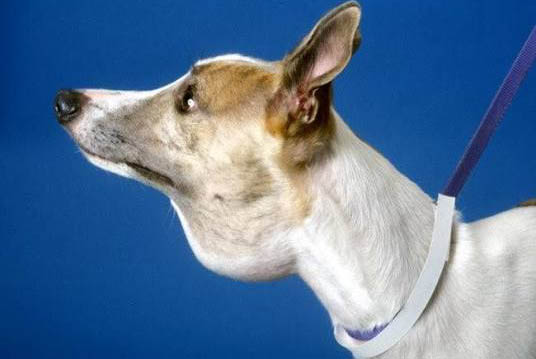
Ptyalism is drooling of saliva. This may be caused by hypersialosis (hypersecretion of saliva) or pseudoptyalism (eg, secondary to conformational abnormalities of the lower lip or swallowing disorders secondary to oral or oropharyngeal pain, esophageal foreign body, etc in animals producing a normal quantity of saliva). Both are discussed together as ptyalism.
Ptyalism may result from the following:
drugs, toxins, or poisons (eg, organophosphates)
local irritation or inflammation associated with stomatitis, glossitis (especially in cats), oral/oropharyngeal/esophageal foreign bodies, neoplasms, injuries, or other mucosal defects
infectious diseases (eg, rabies), the nervous form of distemper, or other convulsive disorders
motion sickness, fear, nervousness, or excitement
reluctance to swallow or interference with swallowing (from irritation of the esophagus, esophageal obstruction by regional pathology, or from stimulation of GI receptors caused by gastritis or enteritis)
sublingual lesions (eg, linear foreign body, tumor)
tonsillitis
administration of medicine (particularly in cats)
conformational defects (eg, heavy, pendulous lower lips)
metabolic disorders (eg, hepatic encephalopathy, especially in cats) or uremia
abscess or other inflammatory blockage or condition of the salivary gland
The possibility of rabies should be eliminated before oral examination is undertaken. The underlying cause, whether local or systemic, should be determined and treated. Acute moist dermatitis of the lips and face can develop if the skin is not kept as dry as possible. Cleansing with a dilute chlorhexidine solution, benzoyl peroxide, or other dermatological wipes may be helpful.
Reference:https://www.msdvetmanual.com/digestive-system/diseases-of-the-mouth-in-small-animals/salivary-disorders-in-small-animals