- 2026/06/15
- مقالات خارجی
- نظرات
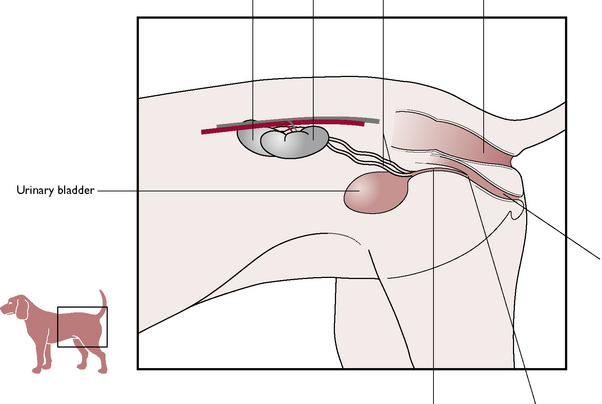
excretion of waste products of metabolism
maintenance of a constant extracellular environment through conservation and excretion of water and electrolytes
production of the hormone erythropoietin, which regulates hematopoiesis
production of the enzyme renin, which regulates blood pressure and sodium reabsorption
metabolism of vitamin D to its active form (1,25-dihydroxycholecalciferol)
regulation of acid-base balance (see the acid-base balance video)
excretion of drugs and toxic compounds
Diagnosis of Urinary Tract Disorders in Animals
Many abnormalities of the urinary system can be diagnosed from signalment, history, physical examination, serum biochemical profile, urinalysis, and aerobic bacterial culture of urine.
The patient’s history should include information regarding changes in water consumption, frequency of urination, volume of urine produced, appearance of urine, and behavior. It is also important to obtain information about historical and current drug administration, appetite, diet, changes in body weight, and previous illnesses or injuries.
To detect disorders of the urinary system, the veterinarian should perform a complete physical examination including palpation of the bladder and examination of external genitalia. In dogs, rectal examination should be performed to evaluate the urethra in both sexes and the prostate in males. In cats, rectal examination might not be feasible because of their small size; however, the kidneys are generally easier to palpate in cats than in dogs. A full neurological examination should be performed on all patients with micturition disorders.
Additional diagnostic tests—such as CBC, blood gas analysis for acid-base status, blood pressure, urine protein:creatinine ratio, symmetric dimethylarginine (SDMA) test, survey abdominal radiography, abdominal ultrasonography, contrast studies of the upper and lower urinary tract, cystoscopic examination of the urinary bladder, and renal biopsy—can also provide valuable information.
Urinalysis
One of the most important diagnostic tests for evaluating urinary tract disorders is urinalysis. (Also see Urine Appearance.)
Urine can be collected by one of four methods: spontaneous micturition, manual compression of the urinary bladder, catheterization, and cystocentesis. Each method has advantages and disadvantages (see the table Advantages and Disadvantages of Urine Collection Methods).
Table
Advantages and Disadvantages of Urine Collection Methods
Urinalysis results should include method of collection, urine specific gravity, color, turbidity, pH, glucose, ketones, bilirubin reagent test, occult blood, protein, and leukocytes (urine dipstick leukocyte tests are unreliable in cats). The following important factors should be taken into consideration when performing urinalysis:
Pearls & Pitfalls
Urine dipstick leukocyte tests are unreliable in cats.
Urine specific gravity should be obtained using a refractometer.
Microscopic examination of urine sediment should include quantitation of RBCs, WBCs, epithelial cells, renal casts, bacteria, yeast, parasitic ova, fat, sperm, and crystals.
Delay in analyzing urine samples can result in artifacts (eg, changes in urine pH, formation of crystals, etc), so it is important to note the time when the sample was collected and the time when it was analyzed.
If a sample will not be analyzed immediately, it should be refrigerated.
Protein in urine should be evaluated in light of urine specific gravity. Protein in a concentrated urine sample might not be noteworthy; however, the same amount in a dilute sample could indicate a problem.
Urine dipstick tests provide a semiquantitative assessment of protein and can be influenced by urine pH. Therefore, they should be used only as screening tests for protein, not for definitive diagnosis of proteinuria. (For a review of pH concepts, see the physiological pH and buffers video …