- 2026/05/29
- مقالات خارجی
- نظرات
What Is Vestibular Disease in Dogs?
Like humans, the vestibular system in dogs is responsible for maintaining balance, posture, and head position, and influences eye movement.
Vestibular System: The entire vestibular system is located within a portion of the ear, just past the eardrum, called the middle ear. Within the middle ear is a smaller area composed of many inter-related structures, collectively known as the inner ear.
Vestibular Disease: Vestibular disease is any abnormal function of the middle or inner ear (vestibular system) that causes sudden loss of balance and coordination, among other symptoms. Since the inner ear is part of the middle ear, any disease that affects the middle ear—or specifically targets the inner ear—may cause vestibular disease.
Vestibular disease in dogs is also known as geriatric or “old dog” vestibular disease or canine idiopathic vestibular disease.
Is Vestibular Disease Similar to Vertigo?
Like vertigo (dizziness) in humans, vestibular disease in dogs is caused by a dysfunction of the inner ear. The symptoms of vestibular disease in dogs are similar to the symptoms of vertigo in humans.
Why Is It Called ‘Old Dog’ Vestibular Disease?
When a cause of vestibular disease is unknown, it is called idiopathic vestibular disease or syndrome. This type of vestibular disease happens most commonly in older dogs, which is the reason it is known as geriatric or “old dog” vestibular disease.
Symptoms of Vestibular Disease in Dogs
Old dog vestibular disease happens suddenly, and symptoms traditionally do not progress or worsen over time. Your dog will show the worst symptoms of the disease within the first 48 hours and will typically improve over two to three weeks.
The most common symptoms of vestibular disease in dogs include:
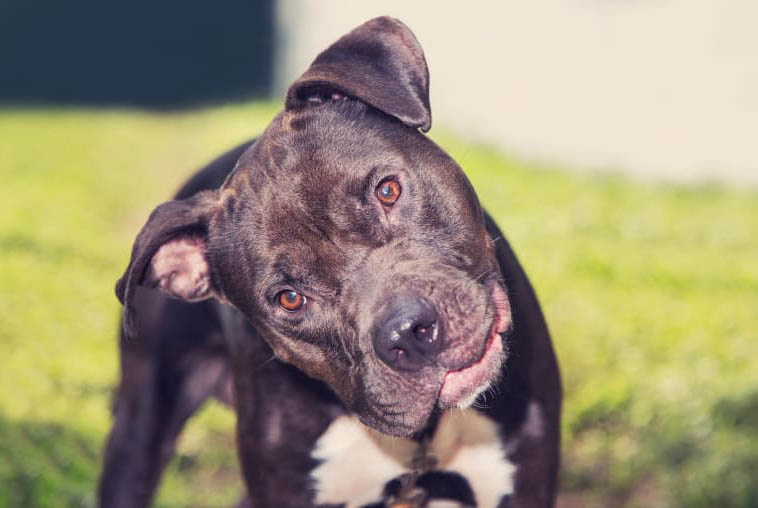
Head tilting
Walking in circles
Lack of coordination
Stumbling or staggering (ataxia)
Rapid eye movement (nystagmus)
Drooling
Vomiting
Horner’s syndrome (drooping of the upper eyelid and face muscles on one side of face)
Causes of Vestibular Disease in Dogs
Various causes of vestibular disease in dogs include:
Ear infection that extends past the eardrum into the middle and inner ear. Middle or inner ear infections are the result of a chronic traditional ear infection, or when an ear infection is left untreated.
Ruptured eardrum or trauma caused, for example, by using a cotton-tipped applicator during your dog’s ear cleaning.
Tumors or polyps growing around the middle ear.
Hypothyroidism
In extremely rare cases, some medications may cause vestibular disease in dogs like aminoglycoside antibiotics, metronidazole, or topical chlorhexidine.
How Veterinarians Diagnose Vestibular Disease in Dogs
To diagnose vestibular disease, your vet will want to know your dog’s medical history including current medications, the start and progression of symptoms, and any current illnesses or conditions.
At the hospital, a physical exam will determine if your dog is showing signs of vestibular disease. If vestibular disease is confirmed, a neurological exam determines if it is a central dysfunction (tumor or polyp) or a peripheral dysfunction (ear infection).
Based on the findings of the neurological exam, your vet will determine the most appropriate test. Tests may include:
Ear cytology: A sample of debris from the ear canal is collected which identifies if yeast, bacteria, mites (or a combination) is causing an ear infection. Not all ear infections extend past the ear drum into the inner ear. Based on symptoms, the physical exam, and test results, your veterinarian can determine if an ear infection is the likely cause of the vestibular disease.
Complete blood count: Confirms or denies other systemic infections or blood-related abnormalities like anemia that may also cause stumbling similar to vestibular disease.
Internal organ function or biochemistry test: Although it cannot determine cancer or tumor location, this test can suggest if further cancer or other organ dysfunction testing is needed
Reference:https://www.petmd.com/dog/conditions/neurological/vestibular-disease-dogs