- 2026/06/10
- مقالات خارجی
- نظرات
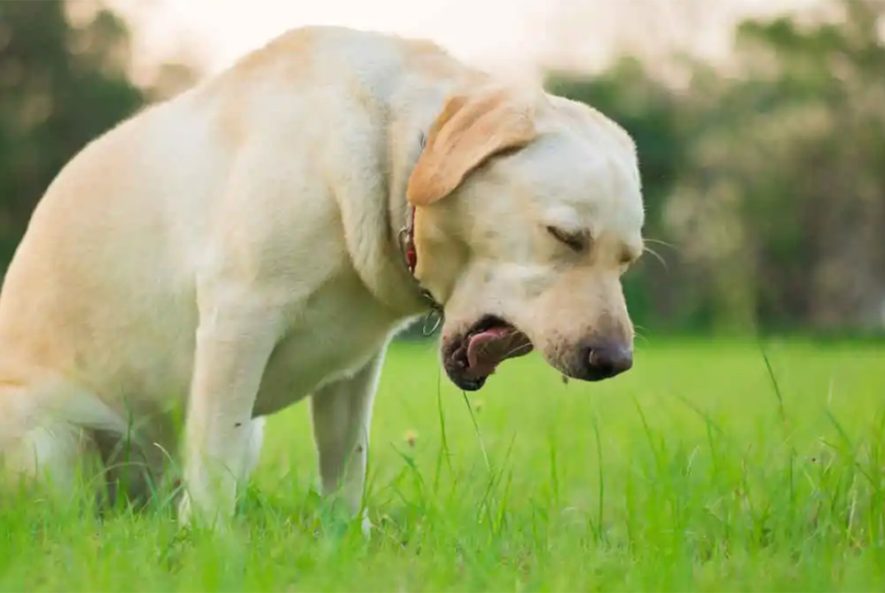
What is gastroenteritis?
Gastroenteritis is the inflammation of the stomach and intestines (gastrointestinal tract). Your dog will usually experience vomiting and diarrhoea but, fortunately, the condition can often be treated within a few days.
Haemorrhagic gastroenteritis is the more severe form of the condition. You may notice blood in your dog’s vomit or poo if they have this. This will require urgent treatment from your vet.
What are the symptoms of gastroenteritis?
Your dog will usually have some or all of the following symptoms:
Vomiting
Diarrhoea
Painful tummy
Loss of appetite
Important
If your dog suddenly displays any of the above symptoms, it’s important to contact your vet as soon as possible. In severe and rare cases, gastroenteritis can lead to death, with young dogs being particularly at risk.
Diagnosing gastroenteritis
Your vet will most likely carry out a full examination of your dog and ask you about their last few days. This is to try and determine whether they have eaten anything unusual or toxic, or if they have been acting differently.
If your vet suspects haemorrhagic gastroenteritis, they may carry out further tests such as X-rays or blood tests to search for any foreign bodies or disease.
Treating gastroenteritis
Treatment will vary depending on the cause. Your vet will usually prescribe medication to stop the vomiting or diarrhoea, followed by a strict bland diet to allow your dog’s stomach to return to normal.
Staying hydrated is very important. A more serious bout of gastroenteritis may be treated with an intravenous drip (a method of giving fluids through a catheter) to rehydrate your dog. If the cause is from a virus or bacteria, your dog may also be placed into isolation to stop it from spreading to other dogs.
Most cases of gastroenteritis can be cured within a few days, but it’s essential to keep an eye on your dog’s progress throughout this time. If your dog does not appear to improve or gets worse, you should contact your vet immediately.
Reference:
https://www.bluecross.org.uk/advice/dog/health-and-injuries/vomiting-and-diarrhoea-in-dogs